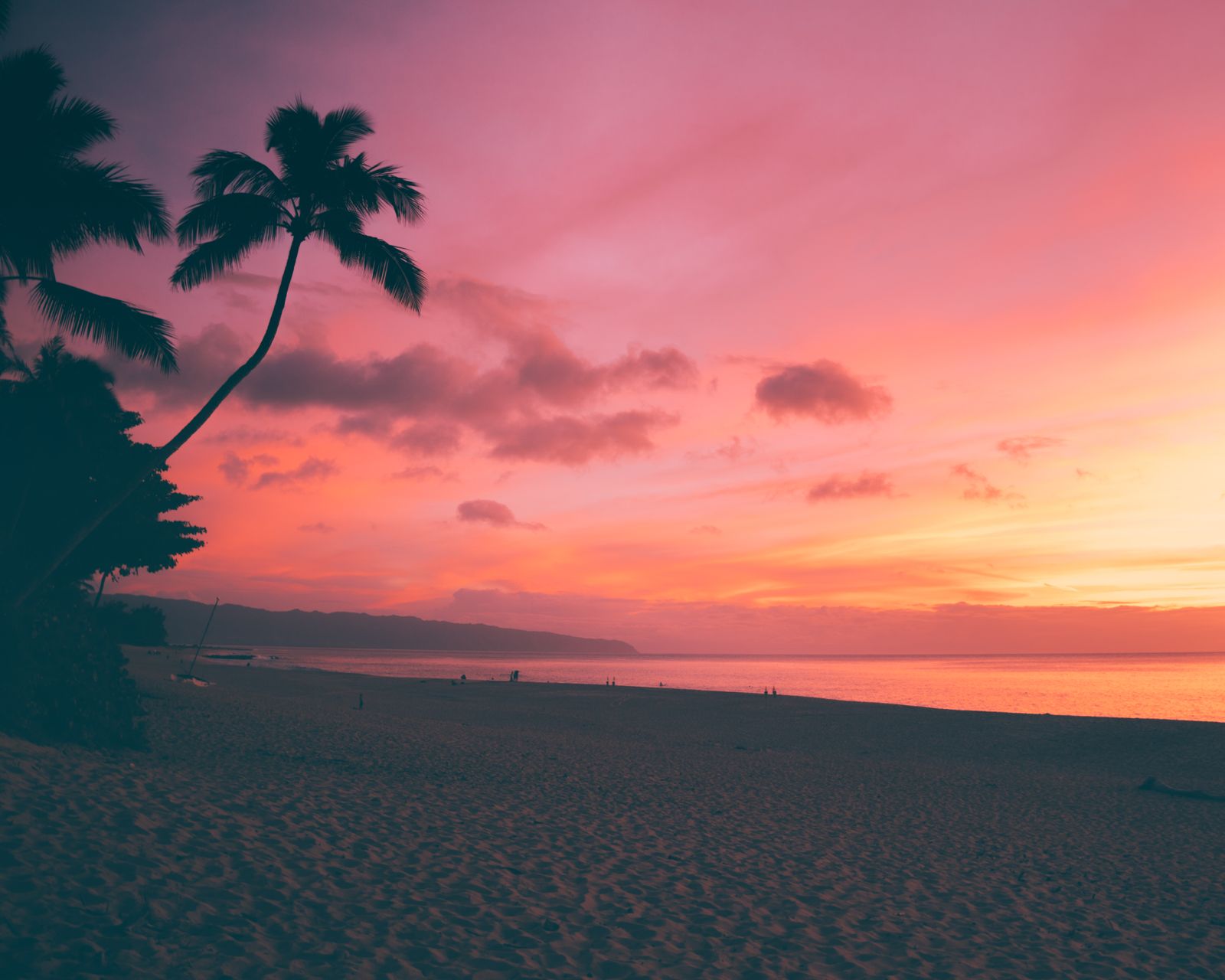
A Hawaii packing list that actually works has to solve a problem most beach-trip checklists ignore: the islands don’t share one climate. A single volcano can produce a rainforest on one side and near-desert on the other, which is why “pack shorts and sunscreen” isn’t good enough advice for a week that might include a windward waterfall hike, a leeward sunset beach, and a boat tour in between.
The short version: pack reef-compliant mineral sunscreen — it’s a legal requirement on every island, not just good etiquette — along with two or three UPF rash guards, a compact dry bag for boats and waterfalls, and a picaridin-based repellent for evening mosquitoes. Then leave room in a carry-on, because most week-long Hawaii trips genuinely don’t require a checked bag. The list below is built around trip length and microclimate instead of a generic template.
At a glance: what actually earns a spot in the bag
- Best overall sunscreen: Kōkua Sun Care Hawaiian Natural Zinc SPF 50 (~$32.99/3 oz) — made in Hawaii, meets both the statewide and Maui County reef rules.
- Best sun-protective layer: Coolibar Tulum Long Sleeve Surf Rash Guard (~$72) — UPF 50+, holds up to daily saltwater without needing reapplication.
- Best packing organizer: Eagle Creek Pack-It Isolate Cube Set (~$59) — three sizes, compresses a week of beach and hiking clothes into one carry-on.
- Skip it if: you’re only doing resort pool days — a dry bag and picaridin spray earn their space on boat tours, waterfalls, and evening hikes, not at a swim-up bar.
Table of Contents
- Why a Week in Hawaii Needs a Different Packing List
- The Hawaii Packing List by Trip Length
- What Actually Counts as Reef-Safe Sunscreen
- Sun-Protective Clothing: Rash Guards and UPF Layers
- Packing It In: Cubes, Dry Bags, and What Not to Overpack
- Hydration, Bug Protection, and the Small Stuff
- What TSA Actually Lets You Carry On
- Do You Need a Travel Adapter for Hawaii?
- Hawaii Weather by Season
- What This Kit Costs, All In
- FAQ
- How We Researched This Guide
Why a Week in Hawaii Needs a Different Packing List (Not a Generic Beach List)
Hawaii isn’t one weather system — it’s dozens, stacked across a handful of islands with volcanic peaks tall enough to wring water straight out of the trade winds. Trade winds hit the windward (northeast-facing) slopes first, get forced upward, and dump their moisture there; by the time the same air reaches the leeward (southwest-facing) side, it has almost nothing left to give. That split is why a single packing list has to plan for both a rain shell and an all-day dry heat, sometimes on the same island in the same afternoon.
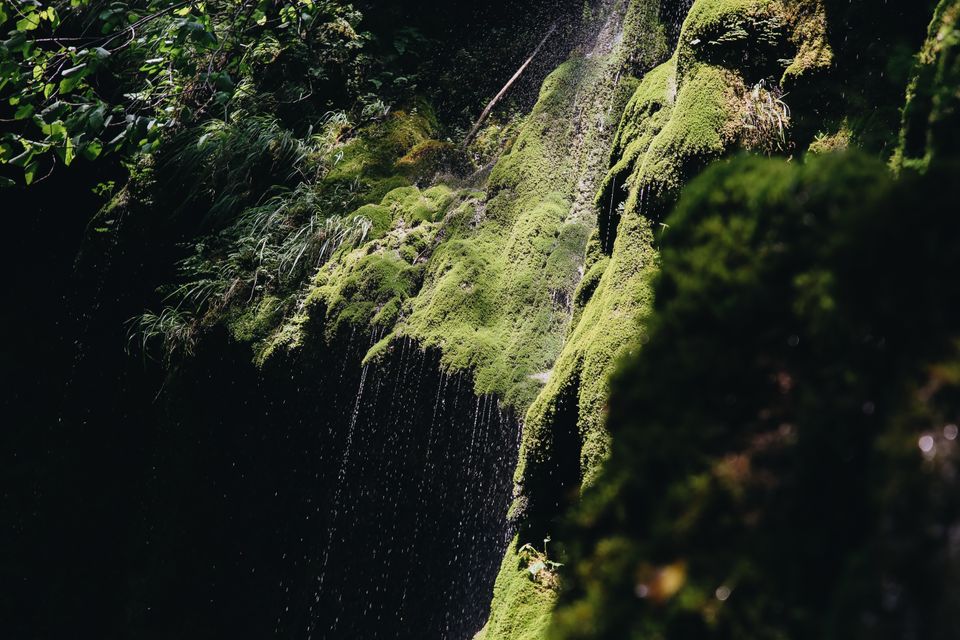
The numbers make the split concrete. According to the Rainfall Atlas of Hawaiʻi, cited by Hawaii-Guide.com, Kauai’s Mount Waiʻaleʻale — a windward peak — collects over 400 inches of rain a year, while Waimea on that same island’s leeward coast averages only about 20 inches. The Big Island shows the same pattern: Hilo, on the windward side, gets roughly 127 inches of rain annually, compared with about 18 inches in leeward Kailua-Kona. Driving 20 miles can be the difference between a downpour and a cloudless afternoon.
Sun exposure is the other variable worth taking seriously before you pack. Honolulu’s UV index regularly reaches 11 to 13 — the “extreme” category — during the May-through-September stretch, according to UV tracking data published by UVIndex.now. That’s high enough that sun protection isn’t optional gear on this trip; it’s the first category on the list, which is why it comes before anything else below.
The Hawaii Packing List by Trip Length
Most Hawaii packing advice repeats the same handful of items regardless of whether you’re there for a long weekend or two weeks. We built the table below differently: starting from the American Academy of Dermatology’s application guidance — about one ounce of sunscreen per full-body application, reapplied every two hours or immediately after swimming, according to the AAD’s own sunscreen guidance — and multiplying that against a realistic number of beach-heavy days for each trip length. The result is a sunscreen quantity, and a matching gear list, sized to the actual trip instead of a one-size-fits-all checklist.
| Trip Length | Beach-Heavy Days (est.) | Sunscreen Needed* | Rash Guards / Swimsuits | Packing Cubes | Dry Bag | Checked Bag Likely? |
|---|---|---|---|---|---|---|
| 3-day weekend | 3 | ~6 oz (two 3 oz bottles) | 2 rash guards, 1 swimsuit | 1–2 cubes | 1 small (5–8L) | No — carry-on only |
| 7-day week | 5 | ~10–12 oz (three to four 3 oz bottles) | 3 rash guards, 2 swimsuits | 3–4 cubes (one full cube set) | 1 (8L) | Optional — carry-on-only is doable if you pack light |
| 14-day two-week trip | 9 | ~18 oz (six 3 oz bottles, or a family-size bottle) | 4–5 rash guards, 3 swimsuits | 2 full cube sets | 1 (8L) + 1 (20L for wet gear) | Yes — Hawaiian Airlines charges $45 for a first checked bag on domestic economy fares, per Upgraded Points’ 2026 fee breakdown |
*Sunscreen quantities are our own calculation, based on the AAD’s one-ounce, every-two-hours guidance applied to estimated beach time — not a manufacturer or dermatologist recommendation for your specific skin or activity level.
What Actually Counts as Reef-Safe Sunscreen in Hawaii?
A sunscreen has to skip oxybenzone and octinoxate to be legal for retail sale anywhere in Hawaii, and on Maui it has to skip chemical UV filters entirely. Hawaii’s statewide sunscreen law, as summarized by Hawaii-Guide.com, has restricted retail sales of sunscreens containing oxybenzone and octinoxate since it took effect on January 1, 2021. Maui County goes further: its Ordinance 5306, in effect since October 1, 2022, prohibits selling, using, or distributing non-mineral sunscreen without a prescription.
In practice, that means reading the active-ingredients panel, not the marketing copy. “Reef safe” and “reef friendly” aren’t regulated terms in the U.S., so a bottle can carry that label and still contain a banned chemical filter. What actually complies is a mineral formula listing zinc oxide, titanium dioxide, or both as the active ingredient. Kōkua Sun Care’s Hawaiian Natural Zinc SPF 50 (about $32.99 for 3 oz, per the brand’s own site) is one of the few sunscreens formulated and bottled in Hawaii, built around 25% non-nano zinc oxide, and it complies with both the statewide and Maui rules without needing a second bottle for different islands. We cover more mineral options, including budget and family-size picks, in our full reef-safe sunscreen roundup.
Sun-Protective Clothing: Rash Guards and UPF Layers
Sunscreen alone can’t cover a full day of snorkeling, paddleboarding, or hiking, and reapplying every two hours gets old fast on a boat where there’s nowhere dry to do it. A long-sleeve UPF 50+ rash guard blocks the large majority of UV without needing reapplication at all, which is why coverage from NBC News Select’s 2026 roundup of UPF clothing treats rash guards as the practical complement to sunscreen rather than a replacement for it.
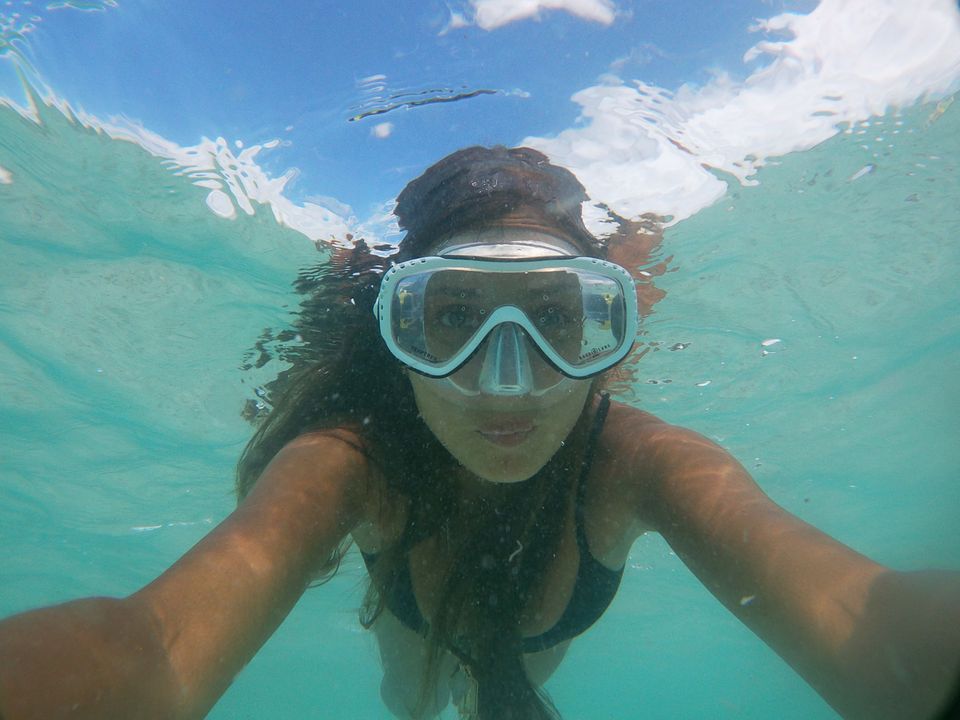
Coolibar’s Tulum Long Sleeve Surf Rash Guard (about $72, per the brand’s site) is built for saltwater and sun rather than the gym, with UPF 50+ fabric that doesn’t rely on a chemical coating that washes out after a few swims. Pack two to three rash guards for a week — one drying while you wear another is the realistic rotation, especially with Hawaii’s humidity slowing down air-drying between wears. The honest dealbreaker: a rash guard is a warm-weather layer, not a stylish one, so if you’re planning a resort dinner in the same outfit, it’s a swim-specific piece, not an all-day shirt.
Packing It In: Cubes, Dry Bags, and What Not to Overpack
The gear that actually earns a spot in a Hawaii suitcase is compression, not volume. Packing cubes let you fit a week of rash guards, shorts, and one dressier outfit into a single carry-on instead of a checked bag, which matters given what checked bags cost on inter-island and mainland routes alike. We tested seven packing cube systems in more depth in our full packing cubes comparison, but for a Hawaii-specific kit, the Eagle Creek Pack-It Isolate Cube Set (about $59 for three sizes, per Eagle Creek’s site) is sized right: one cube for dry clothes, one for swimwear, one for a single non-beach outfit.
A dry bag solves a different problem — the one where a boat tour, waterfall hike, or sudden downpour soaks a phone, wallet, or camera that isn’t waterproof. The Sea to Summit Ultra-Sil Dry Bag (about $22.95, per Sea to Summit’s site) packs down to the size of a fist and weighs almost nothing, which makes it worth carrying even on days that don’t obviously call for it. The dealbreaker to know up front: an Ultra-Sil bag isn’t a backpack replacement — it protects contents from water, not from crushing, so pack anything fragile in the center of your bag, not against the dry bag’s thin fabric.
Hydration, Bug Protection, and the Small Stuff That Saves a Trip
A reusable water bottle you’ll actually refill beats a single-use bottle that runs out by mid-morning, and Hawaii’s heat and humidity make that gap noticeable fast. A wide-mouth insulated bottle like the Hydro Flask 32 oz Wide Mouth (about $44.95, per Hydro Flask’s site) is easy to refill from hotel and trailhead water stations and big enough that one fill covers a half-day hike. Manufacturer guidance on all insulated bottles is the same: hand-wash or use the top rack only, since the vacuum seal that keeps drinks cold can be damaged by high-heat dishwasher cycles.
Mosquitoes in Hawaii are more a nuisance than a mainland public-health concern, but evenings near standing water — rainforest trails, botanical gardens, some campgrounds — still call for repellent. The EPA lists DEET, picaridin, IR3535, oil of lemon eucalyptus, and PMD as its recognized active ingredients for skin-applied repellents, per the agency’s own repellent ingredients page. Sawyer’s 20% Picaridin spray (about $9.95 for 3 oz, per REI’s listing) is a common pick for travelers who want an effective repellent without DEET’s odor or plastic-damaging properties — worth knowing if you’re also packing a phone case or sunglasses you don’t want ruined by an accidental overspray.
What TSA Actually Lets You Carry On (vs. What Goes in Checked Bags)
Domestic flights to Hawaii still follow the TSA’s standard liquids rule — there’s no special exception for tropical destinations. Every liquid, gel, aerosol, cream, or paste in a carry-on has to fit in a container of 3.4 ounces (100 mL) or less, and all of those containers have to fit inside one clear, quart-size resealable bag per passenger, according to TSA’s published 3-1-1 policy. A half-full 8-ounce bottle still gets flagged, since screening goes by container size, not how much liquid is actually inside.
| Item | Carry-On? | Checked Bag? |
|---|---|---|
| Kōkua Sun Care 3 oz bottle | Yes — under the 3.4 oz limit | Yes |
| Family-size sunscreen (8 oz+) | No — exceeds the container limit | Yes, only option |
| Sawyer Picaridin 3 oz spray | Yes — under the limit | Yes |
| Rash guards, dry bag, packing cubes | Yes — no liquid restriction applies | Yes |
| Aloe vera gel (post-sun care) | Only in a ≤3.4 oz travel container | Yes, full size |
Do You Need a Travel Adapter for Hawaii?
No — not if you’re traveling from anywhere else in the United States. Hawaii is a U.S. state and uses the same 120V Type A/B outlets as the mainland, so a phone charger or laptop cable that works at home works there without modification. International visitors from countries with different plug standards, like Japan, Australia, or the UK, still need a standard US-style adapter; our travel power adapter buyer’s guide covers plug-type coverage for exactly that situation.
Hawaii Weather by Season: When Should You Actually Pack for Rain?
Temperatures barely move across the year in Hawaii, but rainfall does. Summer months (June through August) run 84 to 86°F during the day with only 7 to 14 mm of rain and about 7 to 8 rainy days per month, according to climate data compiled by Weather2Travel. Winter months (December through February) stay nearly as warm at around 79°F, but rainfall jumps to 51 to 82 mm a month across 9 to 11 rainy days, as frontal systems move through from the south. The takeaway for packing: bring a rain layer in any season, but budget more time for it — and pack a compressible shell rather than a bulky one — if you’re visiting between October and April.
What This Kit Costs, All In
None of this gear is Hawaii-only — every item here works on future beach or tropical trips, which is worth factoring into whether it’s worth buying new. Here’s what building the full kit from scratch costs at the prices we found during research:
| Item | Approx. Price |
|---|---|
| Kōkua Sun Care Hawaiian Natural Zinc SPF 50 (3 oz) | $32.99 |
| Coolibar Tulum Long Sleeve Surf Rash Guard | $72.00 |
| Eagle Creek Pack-It Isolate Cube Set (3 cubes) | $59.00 |
| Sea to Summit Ultra-Sil Dry Bag | $22.95 |
| Sawyer Picaridin Insect Repellent (3 oz) | $9.95 |
| Hydro Flask 32 oz Wide Mouth Bottle | $44.95 |
| Total (one-time, reusable) | $241.84 |
That’s a one-time gear investment, not a per-trip cost — a rash guard, dry bag, and cube set all outlast a single vacation. The only recurring line item is sunscreen, which runs $32.99 to $65.98 depending on trip length per the table above.
Frequently Asked Questions
Do I need reef-safe sunscreen in Hawaii, or is any sunscreen fine?
Yes — Hawaii’s statewide law has restricted the retail sale of sunscreens containing oxybenzone or octinoxate since January 1, 2021, and Maui County’s Ordinance 5306 goes further, requiring non-mineral sunscreens to be prescription-only since October 1, 2022. Look for zinc oxide or titanium dioxide as the active ingredient rather than trusting a “reef safe” label, which isn’t a regulated term.
Can I bring full-size sunscreen in my carry-on to Hawaii?
Only if the bottle is 3.4 ounces (100 mL) or smaller, since domestic flights to Hawaii still follow the TSA’s standard 3-1-1 liquids rule — one quart-size bag per passenger, each container capped at 3.4 ounces. A full-size 8-ounce bottle needs to go in a checked bag instead.
What’s the rainiest time to visit Hawaii, and does it depend on the island?
It depends far more on which side of an island you’re on than which month you visit. According to the Rainfall Atlas of Hawaiʻi, windward spots like Hilo average around 127 inches of rain a year while leeward Kailua-Kona, on the same island, gets about 18 inches — and winter months (December–February) still bring more rain island-wide than summer, per climate data from Weather2Travel.
Do I need a power adapter to bring electronics to Hawaii?
No, not if you’re traveling from anywhere else in the United States — Hawaii uses the same 120V Type A/B outlets as the mainland. International visitors from countries with different plug standards, like Japan, Australia, or the UK, will still need a standard US adapter.
How much sunscreen should I actually pack for a week?
Plan on roughly 10 to 12 ounces for a week with about five beach-heavy days, based on the American Academy of Dermatology’s guidance of one ounce per full-body application, reapplied every two hours or right after swimming. That works out to three or four 3-ounce bottles, which is also why a full-size bottle usually needs to travel in a checked bag rather than a carry-on.
How We Researched This Guide
We built this guide from named, current sources rather than a personal trip: Hawaii’s state and county sunscreen statutes, the TSA’s published liquids policy, climate-data aggregators for seasonal rainfall and UV numbers, and the manufacturer specification pages for every product named above. Where we make a judgment call — like the sunscreen-ounces-by-trip-length table — we show the math instead of asserting a number, and label it as our own calculation rather than a dermatologist’s recommendation.
We also cross-checked recurring feedback patterns across verified buyer reviews on manufacturer and retailer product pages (Coolibar, Eagle Creek, Sea to Summit, REI) to confirm consensus on fit, durability, and any recurring complaints — like the rash guard’s warm-weather-only comfort range and the dry bag’s non-padded protection — rather than running our own trip or lab tests. Local-source guides on Hawaii-specific rules (reef sunscreen law, microclimates) were checked against the underlying statutes and the Rainfall Atlas of Hawaiʻi directly where possible. Read more about how we vet products and sources in our editorial standards.
Prices are approximate, current as of publication, and change frequently — confirm the latest price with the retailer before buying.
Published August 2026 · Updated August 2026
For more destination-specific gear breakdowns, browse the rest of our destination guides and packing lists.