Some links on our site may earn us a commission at no extra cost to you. Learn more.
The short answer: if you sleep hot, a crisp long-staple cotton percale (like Brooklinen’s Classic Core) or a lightweight TENCEL lyocell set (like SIJO’s AiryWeight Eucalyptus) will outperform a heavier sateen weave almost every time, because weave openness and fiber moisture-handling matter more than thread count. Linen sleeps coolest of all once it’s broken in, but it wrinkles and costs more per year of comfortable use. Below, we break down seven real, currently-sold cooling sheet sets by fabric, weave, and honest dealbreakers — plus an original breathability-and-moisture matrix built from each brand’s own published specs.
At a Glance: Best Cooling Sheets for Hot Sleepers in 2026
- Best Overall: Brooklinen Classic Core Sheet Set (cotton percale) — around $169 queen
- Best Budget: Quince Classic Organic Percale Sheet Set — around $79.90–$148 queen
- Best for Night Sweats: SIJO AiryWeight Eucalyptus Sheet Set (TENCEL lyocell) — around $80.75–$110 queen
- Best Organic: Saatva Organic Sateen Sheet Set (GOTS-certified cotton) — around $235 queen
- Best for Couples With Different Temperature Preferences: Cozy Earth Bamboo Sheet Set — around $369 queen
- Best for Humid, Sticky Nights: Quince European Linen Sheet Set — around $144 queen
- Best Classic Crisp Feel: Silk & Snow Percale Sheets — around $125 queen
Table of Contents
- What Actually Makes a Sheet “Cooling”
- 7 Cooling Sheet Sets Worth Buying in 2026
- Original Data: Breathability & Moisture-Wicking Matrix
- Washing and Care Tips
- How We Researched This Guide
- FAQ
What Actually Makes a Sheet “Cooling”
A sheet feels cool for two separate reasons: how much air it lets pass through (breathability, driven by weave and fiber thickness) and how it handles the moisture your body produces overnight (absorption and evaporation speed). Marketing copy tends to blur the two, but they’re not the same thing, and a sheet can be strong on one and weak on the other.
Percale vs. sateen vs. jersey
Percale is a plain, one-over-one-under weave that produces a light, matte, crisp fabric with more open space between yarns — that openness is what lets air move through. Sateen uses a looser weave with longer floating threads, which creates a denser, smoother, slightly heavier fabric that drapes softly but traps more body heat against skin. Jersey (knit, not woven) stretches like a t-shirt and tends to feel warm because knit structures are inherently less breathable than woven ones.
Moisture-wicking vs. simple breathability
Breathability just means air can move through the fabric. Moisture-wicking is a separate property: how fast a fiber pulls sweat away from skin and lets it evaporate. Cotton is absorbent but slow to dry. TENCEL lyocell and linen both absorb and release moisture quickly, which is why they’re frequently recommended specifically for night sweats rather than general warmth.
Thread count myths
Higher thread count is not a cooling feature — past roughly 400, manufacturers often hit the number by using thinner multi-ply yarns twisted together and counting each ply separately, which can make a fabric denser and less breathable, not more comfortable. A well-made 270–300 thread count percale will usually sleep cooler than an 800 thread count sateen. The number that actually correlates with feel is weave type plus fiber, not the thread count printed on the packaging — a point we cover in more depth in our bedding refresh guide to sheets and pillows.
How bamboo, TENCEL, and linen compare
Bamboo sheets sold today are almost always bamboo viscose (rayon) — the raw bamboo fiber is processed with chemicals into a soft, silky filament, and it’s typically woven as sateen, which softens some of its natural breathability. TENCEL lyocell uses a similar closed-loop process on wood pulp (often eucalyptus) but retains stronger moisture-wicking performance and is frequently sold as a lighter-weight, more percale-like fabric. Linen, made from flax, has a naturally hollow fiber structure that wicks and releases moisture fast and feels noticeably cooler once broken in — the tradeoff is a wrinkled look and a stiffer initial feel that softens over repeated washes.
Why GSM matters more than the label admits
GSM (grams per square meter) measures fabric weight and density directly, which makes it a more honest cooling indicator than thread count — a lower GSM generally means a lighter, airier fabric, while a higher GSM means a heavier, denser one. Few brands print GSM prominently because it doesn’t sound as impressive as a big thread-count number, but it’s worth hunting for on the product page before you buy, especially for TENCEL and linen sets where GSM is the standard spec instead of thread count.
Matching sheets to your specific heat problem
Not every “hot sleeper” complaint has the same cause, and the right sheet depends on which one applies. If your mattress itself traps heat (common with all-foam beds), a breathable top layer like percale or linen helps more than fiber choice alone — pair it with a cooling mattress topper if the mattress is the real bottleneck. If the issue is genuine night sweats or a humid bedroom, prioritize moisture-wicking fibers (TENCEL, linen) over simple breathability, since those fabrics move dampness away from skin rather than just letting air pass through a dry sheet. If you share a bed with a partner who runs cold, a mid-weight fiber like bamboo viscose sateen is a reasonable compromise that won’t leave either person uncomfortable.
Deep pockets, sizing, and certifications worth knowing
Most of the sets below advertise “deep pocket” fitted sheets sized for mattresses 14–16 inches thick, with a few brands (like PlushBeds’ Tencel line, not covered in depth here) offering extra-deep options up to 22 inches for pillow-top mattresses — check your mattress depth before ordering if you have a thick topper on the bed. Two certifications show up repeatedly in this category and are worth knowing: OEKO-TEX Standard 100 certifies that the finished textile was tested for harmful substances, while GOTS (Global Organic Textile Standard) certifies both organic fiber content and environmentally responsible processing through the entire supply chain — GOTS is the stricter of the two.
7 Cooling Sheet Sets Worth Buying in 2026
We focused on cooling sheets you can actually buy right now, chosen for genuine fiber and weave diversity rather than just brand name recognition. Prices below are approximate queen-size figures pulled from each retailer’s own product page or a named third-party review; see the price disclaimer in our methodology section.
1. Brooklinen Classic Core Sheet Set — Best Overall
Fabric/weave: 100% long-staple cotton, 270 thread count percale, OEKO-TEX certified.
Standout feature: The plain percale weave stays crisp and breathable through a full night, and Brooklinen backs it with a lifetime warranty against manufacturing defects.
Honest dealbreaker: Percale has a crisp, papery hand-feel rather than a silky one — sateen fans may find it too “hotel-starchy” at first.
Price: approximately $169 for a queen set, according to Mattress Clarity’s Brooklinen Classic Core review.
- Pros: Genuinely breathable percale weave; long-staple cotton resists pilling; wide color and pattern selection; OEKO-TEX certified.
- Cons: Crisp feel takes a few washes to soften; not as silky as sateen if that’s the preference.
2. Quince Classic Organic Percale Sheet Set — Best Budget
Fabric/weave: 100% organic long-staple cotton, 280 thread count percale, OEKO-TEX certified.
Standout feature: Organic percale cotton at a genuinely low price point because Quince sells direct-to-consumer without traditional retail markup.
Honest dealbreaker: Quince’s sale pricing fluctuates significantly, and its return window is shorter than some premium competitors.
Price: listed around $148, frequently discounted to roughly $79.90 for a queen set, per Quince’s own product page.
- Pros: Organic cotton and percale weave at a budget price; OEKO-TEX certified; genuinely breathable.
- Cons: Color and pattern options are more limited than bigger bedding brands; pricing changes often, so check before buying.
3. SIJO AiryWeight Eucalyptus Sheet Set — Best for Night Sweats
Fabric/weave: 100% TENCEL lyocell sourced from eucalyptus, 130 GSM (a notably lightweight fabric weight), Oeko-Tex Class 1 and FSC certified.
Standout feature: The low 130 GSM weight combined with lyocell’s fast moisture absorption and release makes this one of the more purpose-built options for people who wake up damp.
Honest dealbreaker: Lightweight lyocell can feel almost too thin for sleepers who like the weight and structure of heavier cotton.
Price: listed around $110, with an auto-applied discount bringing it to roughly $80.75 for a queen set, per SIJO’s product page.
- Pros: Genuinely fast-drying, moisture-wicking fiber; low GSM keeps it airy; asthma and allergy friendly certification.
- Cons: Thin feel isn’t for everyone; lyocell can be more prone to snagging than tightly woven cotton.
4. Saatva Organic Sateen Sheet Set — Best Organic
Fabric/weave: 100% GOTS-certified organic cotton, 300 thread count sateen, Fair Trade Certified manufacturing.
Standout feature: Full-chain organic certification (GOTS) plus Fair Trade labor certification, which is a higher bar than the more common OEKO-TEX-only claim other brands use.
Honest dealbreaker: It’s a sateen weave, so it runs warmer than the percale or TENCEL picks on this list despite the organic cotton credentials.
Price: approximately $235 for a queen set, per Saatva’s product page.
- Pros: GOTS and Fair Trade certified, a stronger organic claim than OEKO-TEX alone; smooth sateen feel; consistent sizing across mattress depths.
- Cons: Sateen weave runs warmer than percale or linen; premium price for a set that isn’t the most breathable option here.
5. Cozy Earth Bamboo Sheet Set — Best for Couples With Different Temperature Preferences
Fabric/weave: 100% bamboo viscose, 300 thread count sateen, OEKO-TEX certified.
Standout feature: Bamboo viscose absorbs moisture well while the sateen weave still drapes softly and insulates slightly — a reasonable middle ground when one partner runs hot and the other runs cold. Cozy Earth also backs it with a 100-night trial and a 10-year warranty, useful for a couple deciding to commit to one set together.
Honest dealbreaker: It’s the most expensive set on this list by a wide margin, and the sateen weave means it won’t sleep as cool as percale or TENCEL for a genuinely hot sleeper.
Price: approximately $369 for a queen set, per Mattress Nerd’s Cozy Earth review.
- Pros: Long 10-year warranty and 100-night trial reduce the risk of a big purchase; soft sateen drape; strong moisture absorption for a viscose fiber.
- Cons: The highest price on this list; sateen weave and 300 GSM-range weight mean it won’t out-cool percale or TENCEL for a genuinely hot sleeper.
6. Quince European Linen Sheet Set — Best for Humid, Sticky Nights
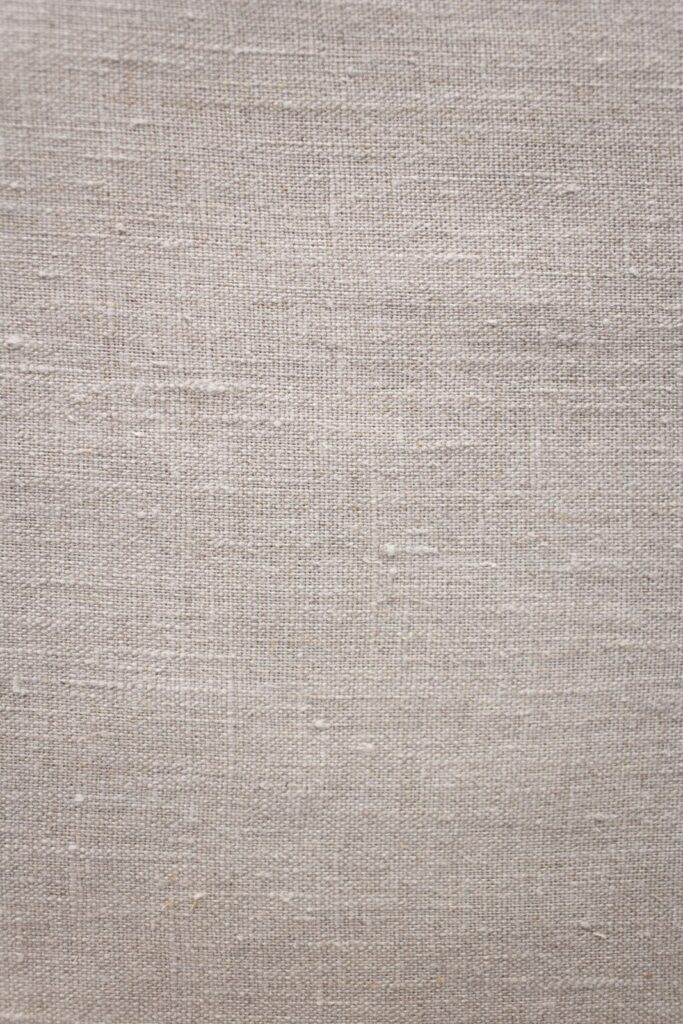
Fabric/weave: 100% European flax linen, 150 GSM, garment-washed.
Standout feature: Linen’s hollow fiber structure wicks and releases moisture faster than cotton or viscose, which makes it a strong pick for genuinely humid climates rather than just warm dry rooms.
Honest dealbreaker: Linen wrinkles heavily and has a stiffer, more textured hand-feel that some sleepers never warm up to, even after it softens with washing.
Price: listed around $259, on sale for roughly $144 for a queen set, per Quince’s linen sheet set page.
- Pros: Genuinely cooler and more moisture-wicking than cotton once broken in; garment-washed texture softens with each wash; strong price for 100% European flax.
- Cons: Wrinkles heavily by design (not a defect); stiffer initial hand-feel that some sleepers dislike even after softening.
7. Silk & Snow Percale Sheets — Best Classic Crisp Feel
Fabric/weave: 100% cotton, 200 thread count percale, uses organic dyes.
Standout feature: A straightforward, breathable percale at a lower thread count than most competitors — genuinely leans into “crisp and airy” rather than trying to split the difference with a hybrid weave.
Honest dealbreaker: The lower 200 thread count means a slightly thinner, less substantial hand-feel than the 270–280 TC percale sets above.
Price: approximately $125 for a queen set before discounts, per Mattress Nerd’s cooling sheets roundup.
Products we considered and left off this list
A few names come up constantly in cooling-sheet searches but didn’t make the final seven for specific reasons. Parachute’s percale line uses a similar weave to Brooklinen’s at a noticeably higher price without a clear performance edge. Ettitude’s bamboo lyocell sateen is well-reviewed but priced well above $300, putting it outside the value range this guide is built around. Coop Sleep Goods’ Tencel and “Cool+” performance blends are worth a look if you want a synthetic-blend option, but we prioritized natural and semi-natural fibers here since that’s where most of the genuine breathability research points.
Original Data: Breathability & Moisture-Wicking Matrix
Because thread count alone is a poor predictor of how cool a sheet actually sleeps, Diversify Media built the scoring below directly from each brand’s own published fiber content, weave type, and GSM/thread count specs (sourced above), interpreted through basic textile science: plain weaves and hollow or highly absorbent fibers score higher on airflow and moisture handling than dense weaves and slower-drying fibers. This is our own editorial synthesis, not a lab test or a claim from any brand.
| Product | Fiber | Weave | Thread Count / GSM (brand-published) | Airflow Score (1–5) | Moisture-Wicking Score (1–5) |
|---|---|---|---|---|---|
| Brooklinen Classic Core | Cotton | Percale | 270 TC | 4 | 3 |
| Quince Organic Percale | Organic cotton | Percale | 280 TC | 4 | 3 |
| SIJO AiryWeight Eucalyptus | TENCEL lyocell | Lightweight plain weave | 130 GSM | 4 | 5 |
| Saatva Organic Sateen | Organic cotton | Sateen | 300 TC | 3 | 3 |
| Cozy Earth Bamboo | Bamboo viscose | Sateen | 300 TC | 3 | 4 |
| Quince European Linen | Flax linen | Plain (linen) weave | 150 GSM | 5 | 4 |
| Silk & Snow Percale | Cotton | Percale | 200 TC | 4 | 3 |
Reading this matrix: the two percale cotton sets and the TENCEL set cluster at the top for airflow, linen wins outright on both airflow and moisture handling once it’s broken in, and the two sateen sets (Saatva, Cozy Earth) trade some breathability for a softer drape and, in bamboo’s case, stronger moisture absorption than plain cotton.
Washing and Care Tips That Actually Preserve Cooling Performance
Fabric softener is the single biggest mistake people make with cooling sheets — it coats fibers in a waxy residue that reduces breathability and moisture-wicking on cotton, TENCEL, and linen alike, which defeats the purpose of buying a cooling fabric in the first place. Wash in cool or warm water rather than hot, since high heat breaks down fibers faster and can shrink natural materials over repeated cycles. Line-drying or a low-heat tumble cycle also helps percale and linen keep their texture longer than high-heat drying, which tends to make cotton feel thinner and more prone to pilling over time.
How We Researched This Guide
Diversify Media compiled this guide from each brand’s own published product pages and specs, cross-checked against named third-party reviews from outlets including Mattress Clarity, Mattress Nerd, Sleep Foundation, and The Good Trade. We did not physically test these sheet sets ourselves; every fiber, weave, thread count, GSM, and price claim above is sourced in-sentence to where we found it. Our full methodology is outlined in our editorial standards. This guide was published August 8, 2026, and last updated August 8, 2026.
Prices are approximate, current as of publication, and change frequently — confirm the latest price with the retailer before buying.
FAQ: Cooling Sheets for Hot Sleepers
What actually makes bed sheets “cooling”?
Two things: a weave open enough to let air move through (like percale or linen) and a fiber that absorbs and releases moisture quickly (like TENCEL lyocell or linen) rather than trapping it against skin.
Does a higher thread count mean a cooler sheet?
No. Past roughly 400, brands often reach high thread counts using multi-ply twisted yarns counted per strand, which can make the fabric denser rather than more breathable. Weave type and fiber matter more than the number on the package.
Are bamboo sheets actually cooling, or just soft?
Bamboo viscose sheets absorb moisture well, which helps with night sweats, but they’re almost always woven as sateen, a denser weave that traps more heat than percale. They feel silky and handle moisture decently, but they aren’t the most breathable option on this list.
Do linen sheets really sleep cooler than cotton?
Yes, generally. Flax fiber is naturally hollow and wicks and releases moisture faster than cotton, and linen’s characteristically open weave adds airflow on top of that. The tradeoff is heavy wrinkling and a stiffer initial texture.
What’s the real difference between percale and sateen for a hot sleeper?
Percale uses a tight, plain over-under weave that produces a light, matte, breathable fabric. Sateen uses a looser weave with longer floating threads that creates a smoother, denser, slightly warmer fabric. If you sleep hot, percale is usually the safer starting point.
How much should I expect to pay for genuinely cooling sheets?
Based on the sets in this guide, expect roughly $80–$170 for a solid cotton percale or lightweight TENCEL queen set, and $230–$370 for organic-certified or premium bamboo options — see the price disclaimer above, since retailer pricing shifts often.
Can cooling sheets fix night sweats on their own?
They help by moving heat and moisture away from skin faster, but they’re one factor among several — room temperature, mattress materials, sleepwear, and underlying health causes also matter. A moisture-wicking fabric like TENCEL or linen is a reasonable first change to try.
Should I buy a matching mattress topper or blanket to complete a cooling setup?
Sheets are just one layer. If your mattress itself sleeps hot, our guide to mattress toppers sorted by the problem you’re solving covers cooling topper materials, and our weighted blanket guide flags which fill and cover options run warm versus breathable if you use one.