
Some links on our site may earn us a commission at no extra cost to you. Learn more.
This article is educational and is not medical advice. Hair thinning during rapid weight loss can have several causes, and the products below are not a substitute for a dermatologist’s evaluation. Talk to your prescriber or a dermatologist before starting a new supplement or medication, especially alongside a GLP-1 prescription.
The short answer: hair thinning on a GLP-1 medication is usually telogen effluvium — a temporary, whole-scalp shedding triggered by rapid weight loss, not the medication attacking hair follicles directly. Dermatologists most consistently point to nutrition first (protein, iron, zinc, vitamin D) and minoxidil as the best-evidenced treatments, with supplements like Nutrafol and Viviscal as reasonable adjuncts rather than replacements. Below, we compare five real, currently sold products people reach for during GLP-1-related shedding, organized by what each one actually addresses.
Why GLP-1 Medications Are Linked to Hair Thinning
A 2026 study using data from the BMJ found that people taking GLP-1 medications had a 37% higher risk of hair loss compared with those on SGLT-2 inhibitors, and a 68% higher risk compared with DPP-4 inhibitor users, according to reporting from Healthline. The researchers identified the pattern as non-scarring alopecia, specifically telogen effluvium — meaning the hair follicles themselves aren’t permanently damaged, and regrowth is the expected outcome once the underlying trigger resolves.
The mechanism isn’t fully settled. Dr. Rehan Karim of U.S. Dermatology Partners North Dallas told the practice’s own blog that “while we don’t know if the weight loss drugs directly cause hair loss, they may cause other factors that affect hair health” — namely, the body interpreting rapid weight loss as a physical stressor, which pushes a larger-than-normal share of hair follicles into their resting (telogen) phase at once, according to U.S. Dermatology Partners. Stanford endocrinologist Dr. Sun Kim, cited in the same Healthline reporting, points to nutritional gaps as a likely contributor too, since GLP-1 drugs sharply reduce food intake and can create shortfalls in protein, iron, and zinc — all nutrients hair follicles need to stay in their growth phase.

Dr. Marisa Garshick, a dermatologist at Weill Cornell also cited in the Healthline reporting, and Dr. Jenni Holman of the American Academy of Dermatology both point to minoxidil as a mainstay treatment for this type of shedding, alongside checking for and correcting nutritional deficiencies. The prognosis is generally favorable: per U.S. Dermatology Partners, hair growth typically resumes within six to twelve months once the body adjusts to its new weight and any nutritional gaps are addressed. Hair thinning is just one item on a longer list of GLP-1 side effects worth planning around — our high-protein, low-volume snack picks address the appetite side of the same medication class, and our Noom review looks at a non-drug approach some readers pair with or use instead of a GLP-1 prescription. Both live in our broader Weight Loss & GLP-1 Support coverage.
Quick Picks by What They Address
| Product | Category | Price | Best for |
|---|---|---|---|
| Nutrafol Women’s Balance | Oral supplement | $79/mo (subscription) | Hormonally-linked thinning, ages 45+ |
| Viviscal Extra Strength | Oral supplement | $39.99 / 60ct | Budget-friendly marine collagen + biotin |
| Vegamour GRO Biotin Gummies | Oral supplement | $36 ($30 subscribe) | Simple daily biotin/multivitamin gummy |
| Women’s Rogaine 5% Minoxidil Foam | Topical, FDA-approved | $58.65 / 2.11oz | The most evidence-backed option here |
| Briogeo Scalp Revival Serum | Scalp care, leave-in | $32 / 1oz | Complementary scalp health, not a treatment |
1. Women’s Rogaine 5% Minoxidil Foam — Most Evidence-Backed Option
Price: $58.65 • Size: 2.11 oz (roughly a one- to two-month supply at half a capful daily) • Active ingredient: minoxidil 5%
Minoxidil is the one product in this roundup with an actual FDA-approved indication for hair regrowth, and it’s the treatment named directly by both dermatologists cited above as a mainstay for this type of shedding. It works by extending the growth phase of hair follicles rather than addressing telogen effluvium’s underlying trigger, which is why dermatologists typically pair it with fixing the nutritional gap rather than using it alone.
- Pros: FDA-approved for hair regrowth (not just a wellness claim), the most independently studied ingredient in this roundup, unscented formula available
- Cons: Requires consistent daily use for months before results, shedding often temporarily increases in the first two to six weeks as the hair cycle resets, discontinuing use typically reverses any gains
Best for: anyone who wants the option with the strongest independent evidence behind it, and who’s prepared for months of consistent daily use.
2. Nutrafol Women’s Balance — Best for Hormonally-Linked Thinning
Price: $79/month with subscription (10% off the $88 list price) • Key ingredients: Synergen Complex with ashwagandha, marine collagen peptides, saw palmetto, astaxanthin
Nutrafol’s Women’s Balance formula is built specifically around hormonal shifts common after 45, including the ashwagandha extract Sensoril, which the brand markets as lowering cortisol to reduce stress-linked shedding — a relevant angle given that dermatologists describe GLP-1 hair loss as a stress response to rapid weight change. It’s the most expensive supplement in this roundup and the only one sold primarily through a recurring subscription rather than a one-time purchase.
- Pros: Formulated specifically for hormonally-linked thinning, includes ashwagandha for stress-linked shedding, widely recommended by dermatologists per the brand’s own marketing claims
- Cons: Highest ongoing cost in this roundup at nearly $80 a month, results typically take three to six months of consistent use, subscription cancellation requires advance notice
Best for: women 45 and older dealing with thinning that may be compounded by menopause-related hormonal shifts alongside GLP-1 use.
3. Viviscal Extra Strength — Best Budget Supplement
Price: $39.99 for 60 tablets (a 30-day supply at two tablets daily) • Key ingredients: marine collagen, biotin, zinc, vitamin C
Viviscal’s formula lines up with the nutritional-gap explanation for GLP-1 shedding more directly than most competitors: it combines marine collagen with biotin, zinc, and vitamin C — three of the specific nutrients Dr. Sun Kim’s Healthline commentary flagged as worth checking for deficiency. At roughly $0.67 per tablet, it’s the least expensive supplement here by a wide margin, without giving up the core nutrient combination dermatologists actually mention.
- Pros: Includes zinc and vitamin C alongside biotin and collagen, lowest cost per month in this roundup, widely available at CVS, Target, and Kroger without a subscription
- Cons: Requires two tablets daily rather than one, marine collagen source may not suit strict vegetarian or vegan diets, results take months like every supplement here
Best for: anyone who wants a nutrient combination that maps to the deficiency theory without paying subscription prices.
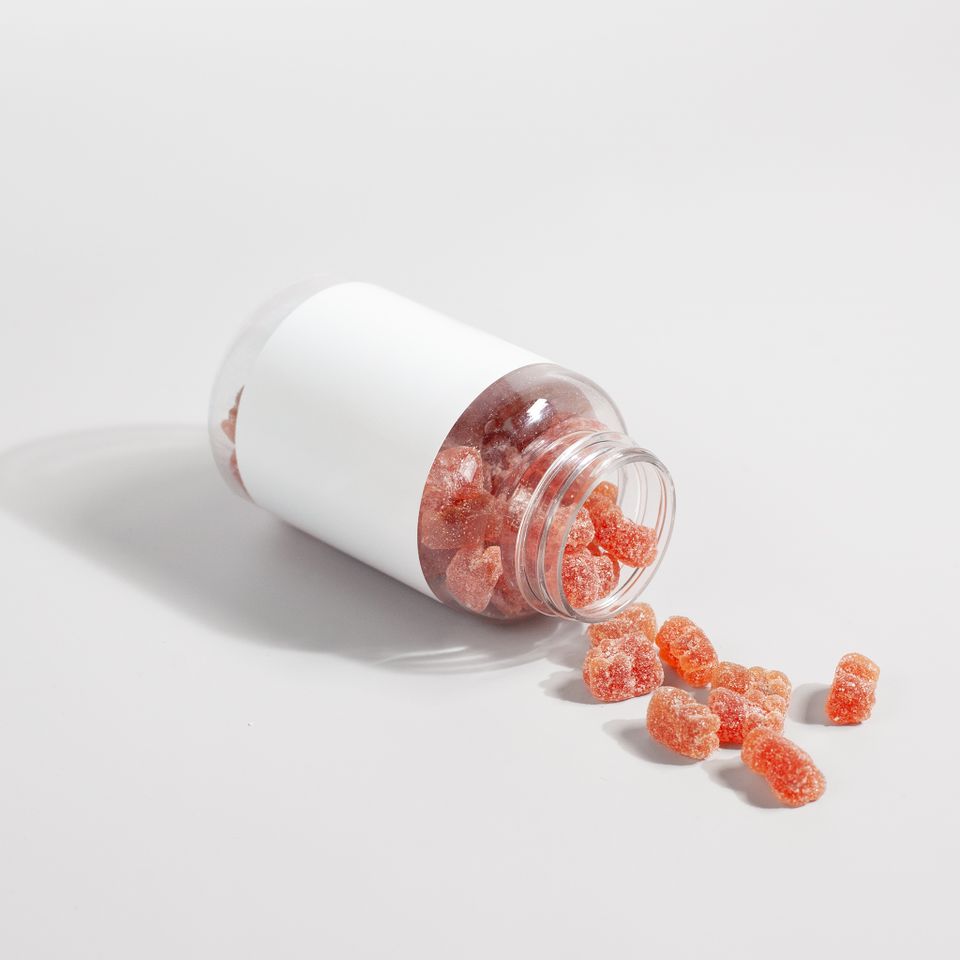
4. Vegamour GRO Biotin Gummies — Simplest Daily Option
Price: $36 one-time, or $30 with a 30-day subscription (16% savings) • Key ingredients: biotin, vitamins A, C, D3, E, B6, B12, folate, zinc, iodine
Vegamour’s gummies are less a targeted treatment and more a broad daily multivitamin leaning toward hair-relevant nutrients — a reasonable low-effort option for anyone who struggles with pills or capsules and wants one gummy a day covering several of the deficiencies dermatologists mention. It’s a gentler formula than Nutrafol or Viviscal, without the ashwagandha or marine collagen those two include.
- Pros: Gummy format is easier to remember and tolerate than pills, covers a broad spread of vitamins beyond just hair-specific ingredients, vegan formulation
- Cons: Less targeted than Nutrafol or Viviscal for hair specifically, gummies typically contain added sugar, subscription cancellation window applies
Best for: anyone who wants the lowest-effort daily supplement and doesn’t need a formula targeted specifically at hormonal or stress-linked thinning.
5. Briogeo Scalp Revival Charcoal + Tea Tree Serum — Best Complementary Scalp Care
Price: $32 • Size: 1 oz • Key ingredients: binchotan charcoal, tea tree oil, peppermint and spearmint oils, witch hazel, biotin
This is the one product on this list that isn’t marketed as a hair-loss treatment at all, and we’re including it specifically because it isn’t — a healthy, non-irritated scalp is a reasonable supporting habit during a shedding phase, and this serum’s charcoal-and-tea-tree formula targets buildup and itchiness rather than promising regrowth. Treat it as scalp maintenance you layer onto one of the four options above, not a substitute for any of them.
- Pros: Detoxifies and soothes an irritated or flaky scalp, leave-in formula requires no extra step in the shower, vegan and sulfate-free
- Cons: Not formulated or marketed as a regrowth treatment, small 1 oz bottle at a relatively high per-ounce price, benefits are scalp comfort rather than measurable hair growth
Best for: pairing with minoxidil or a supplement above, especially if scalp itchiness or flaking is part of what you’re dealing with.
The Real Math: Cost Per Month by Approach
Every product here uses a different pricing structure — some are subscriptions, some are one-time purchases with a fixed supply length. Here’s what each one actually costs to use for a full month, since that’s the commitment dermatologists say this kind of shedding actually requires.
| Product | Package | Cost per Month | Commitment Needed |
|---|---|---|---|
| Vegamour GRO Gummies | 30-day supply | $30 (subscribed) / $36 (one-time) | Months, per brand guidance |
| Viviscal Extra Strength | 60 tablets = 30 days | $39.99 | 3–6 months typical |
| Briogeo Scalp Revival | 1 oz, daily use | ~$32 (roughly a 1–2 month supply) | Ongoing, as scalp care |
| Women’s Rogaine 5% Foam | 2.11 oz | ~$29–$58, depending on usage rate | 4+ months before judging results |
| Nutrafol Women’s Balance | 1-month supply | $79 (subscribed) / $88 (one-time) | 3–6 months typical |
The spread here is wide — Nutrafol costs more than double Viviscal for a month of use, despite both targeting a similar underlying nutrient gap. None of these are fast fixes: every source we cite above describes a multi-month timeline before any of these approaches shows a measurable difference, which is worth budgeting for financially and emotionally before starting one.
Must-Haves vs. Nice-to-Haves
- Must-have — realistic timeline expectations: Every credible source here describes results taking three to twelve months. A product promising visible results in weeks is overpromising.
- Must-have — checking for actual nutritional deficiency first: Dr. Sun Kim’s guidance specifically points to checking protein, vitamin D, iron, and zinc levels before assuming a supplement alone will fix the issue — a basic blood panel from your prescriber can confirm what’s actually low.
- Nice-to-have — an ashwagandha or stress-support ingredient: Reasonable given the stress-response mechanism behind telogen effluvium, but not a substitute for addressing an actual nutrient gap if one exists.
- Nice-to-have — scalp comfort products like Briogeo: Pleasant and supportive, but not a regrowth treatment on their own.
- Honest dealbreaker: stopping your GLP-1 medication or changing your dose based on hair shedding alone, without talking to your prescriber first. Hair thinning is uncomfortable, but per every source above it’s typically temporary and reversible — a decision about your weight-loss medication is a separate conversation with your doctor.
How We Researched This Guide
We did not conduct our own clinical research or physically test these five products. Instead, we reviewed published reporting on GLP-1-related hair loss from Healthline (citing a BMJ-based study and named dermatologists and endocrinologists) and U.S. Dermatology Partners, cross-referenced the mechanism and treatment recommendations those sources describe, and compared each product’s own published ingredients, pricing, and dosing instructions against current retailer and brand listings. Where a claim is about FDA clearance, we verified it applies to the product’s actual regulatory status rather than general wellness marketing. This guide follows our editorial standards for how we research and vet every product we recommend, and the price disclaimer below applies to every price cited above.
Prices are approximate, current as of publication, and change frequently — confirm the latest price with the retailer before buying.
Published August 2026. Diversify Media.
Frequently Asked Questions
Does Ozempic or other GLP-1 medications directly cause hair loss?
The evidence points to an indirect link rather than the medication attacking hair follicles directly. Rapid weight loss itself is a known trigger for telogen effluvium, a temporary shedding condition, and a 2026 BMJ-based study found GLP-1 users had a meaningfully higher risk of hair loss compared with people on other diabetes medications — but dermatologists describe the mechanism as the body’s stress response to fast weight change, not a direct drug effect on follicles.
How long does GLP-1-related hair thinning last?
Per U.S. Dermatology Partners, hair growth typically resumes within six to twelve months once the body adjusts to its new weight, since the hair follicles themselves generally aren’t permanently damaged in telogen effluvium.
Should I take biotin for GLP-1 hair loss?
Biotin is commonly included in hair supplements and may help if you have an actual biotin deficiency, but the dermatologists and endocrinologists cited in our research emphasized checking for broader nutritional gaps — protein, iron, zinc, and vitamin D — rather than treating biotin alone as the fix.
Is minoxidil safe to use alongside a GLP-1 medication?
Minoxidil is named as a mainstay treatment for this type of hair loss by the dermatologists cited in this guide, but we’re not doctors and can’t evaluate your specific medication list or health history. Confirm with your prescriber or a dermatologist before starting minoxidil or any new supplement alongside a GLP-1 prescription.
Will hair supplements work faster if I take more than the recommended dose?
No, and we’d advise against it. None of the products in this roundup are dosed for faster results at higher amounts, and exceeding a labeled dose — particularly for fat-soluble vitamins like A and E, both present in some of these formulas — can cause its own health issues. Follow the label and give any approach the multi-month timeline these sources describe.