Some links on our site may earn us a commission at no extra cost to you. Learn more.
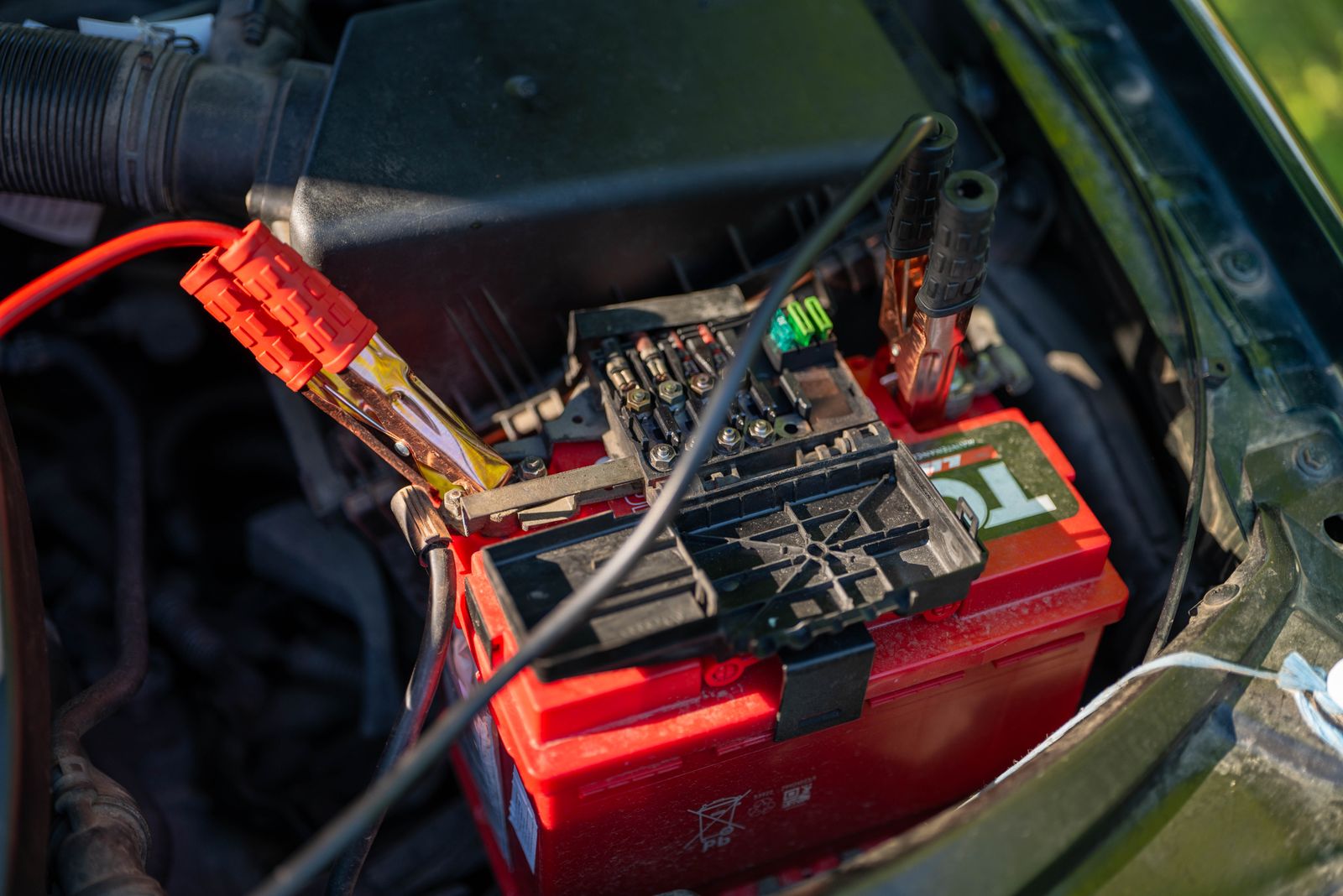
A dead battery or a soft tire almost always shows up on the coldest morning of the year, not the mildest one. The short version: a portable jump starter with at least 2,000-3,000 peak amps covers most cars and mid-size SUVs, while full-size trucks and diesels need 4,000A or more; a dedicated 12V tire inflator that reaches 120-160 PSI handles everything from a daily driver to a truck tire. Below are seven real, currently-sold devices — three standalone jump starters, two 2-in-1 combo units, and two dedicated inflators — compared on peak amps, PSI, safety features, and portability so you can match one to your vehicle before the temperature drops.
At a Glance: Our Picks
- Best overall jump starter: NOCO Boost X GBX155 (4,250A, up to 10.0L gas/8.0L diesel)
- Best budget jump starter: HULKMAN Alpha85S (2,000A, cold-weather tuned)
- Best for trucks, SUVs & diesels: AVAPOW A68 (6,000A)
- Best 2-in-1 combo (jump starter + inflator): GOOLOO A3 (3,000A + 150 PSI)
- Best standalone tire inflator: VIAIR 88P (120 PSI, 1.47 CFM)
Every option below is genuinely useful for different vehicles and budgets — none of these picks are scarce or in danger of selling out; treat this as a comparison, not a countdown.
Jump to:
- Why Cold Weather Is Brutal on Batteries and Tires
- How to Choose a Portable Jump Starter or Tire Inflator
- Standalone Jump Starters
- 2-in-1 Combo Units
- Standalone Tire Inflators
- Original Table: Cost per 1,000 Peak Amps
- Inflator Speed & Pressure Comparison
- How We Researched This Guide
- FAQ
Why Cold Weather Is Brutal on Batteries and Tires
Cold snaps don’t just make a battery feel weaker — they measurably reduce the chemical reaction inside it that produces starting current, right at the moment your engine needs more amps to turn over thickened oil. AAA spokesperson Tracy Noble told WFSB in January 2026 that “when we have that type of frigid weather, our calls for battery issues skyrocket,” with some frigid-day totals running up to 85% higher than a normal day’s roadside-assistance battery calls. Tire pressure takes a hit too: as a rule of thumb, tires lose roughly 1 PSI for every 10°F drop in temperature, so a tire that reads 35 PSI in September can quietly slip into low-pressure-warning territory by November without a single new leak — and underinflated tires wear unevenly and handle worse in the wet or icy conditions that fall and winter bring. Neither problem announces itself in advance; a battery that cranked fine on a 60-degree afternoon can fail outright after a single cold night, and a slow leak that was invisible in summer heat becomes a dashboard warning light once temperatures drop. If your car already sits for long stretches between drives, it’s worth pairing a jump starter with a trickle charger or battery maintainer, since a maintainer prevents the drain a jump starter has to fix after the fact.
How to Choose a Portable Jump Starter or Tire Inflator
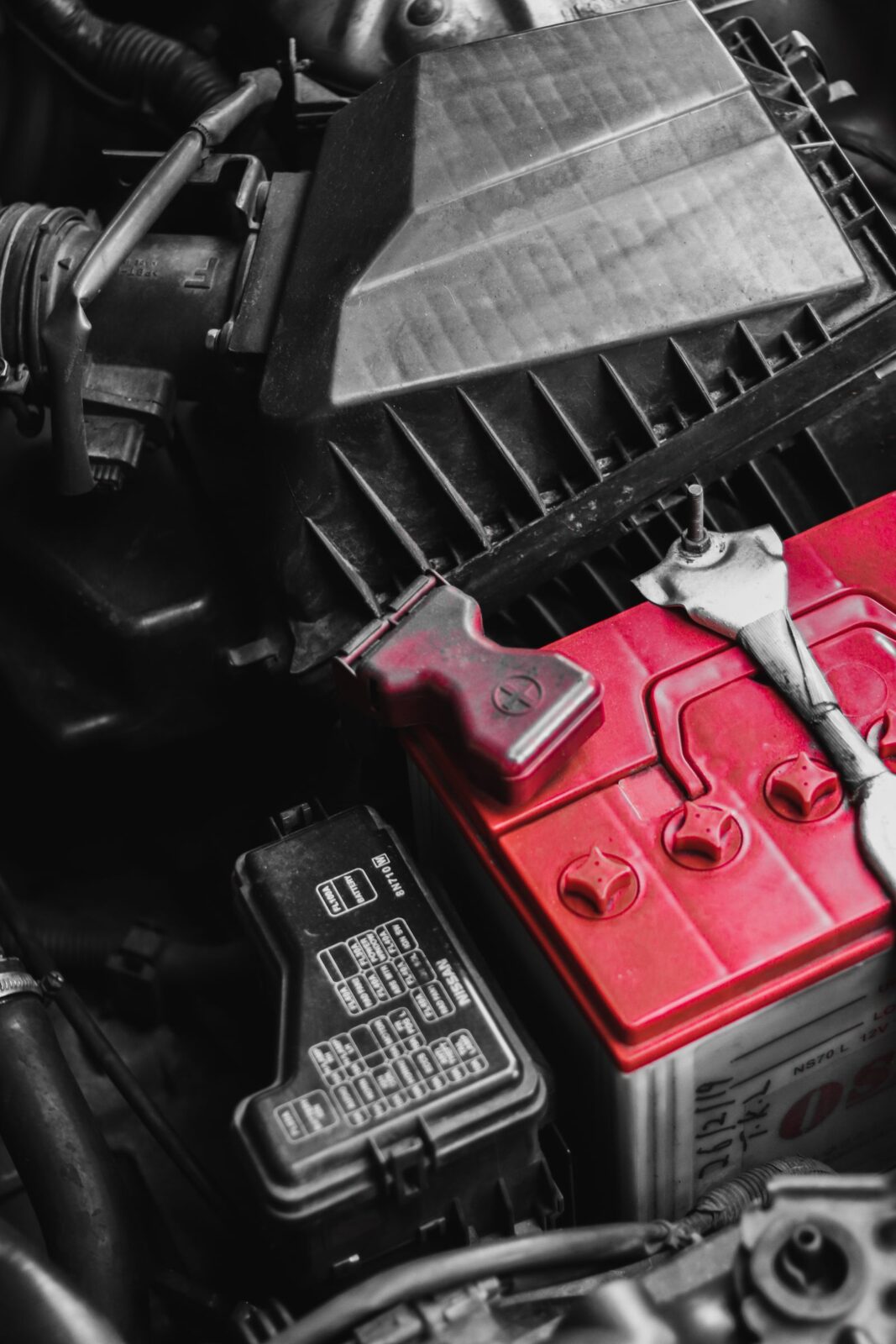
A portable jump starter is only useful if it’s sized correctly for your engine, so the first spec to check is peak amps against your vehicle’s engine displacement — manufacturers publish a maximum gas and diesel liter rating for a reason, and going over it risks a jump that simply doesn’t deliver enough cranking current.
- Peak amps: Small sedans and compact SUVs typically start fine on 1,000-2,000A. Mid-size V6 engines usually want 2,000-3,000A. Full-size trucks, vans, and diesels are safer bets at 4,000A and up.
- Safety features: Look for reverse-polarity protection and spark-proof clamp technology, which is standard on every unit in this guide. These features detect a backwards connection before current flows, rather than relying on the user to get the clamp order right every time.
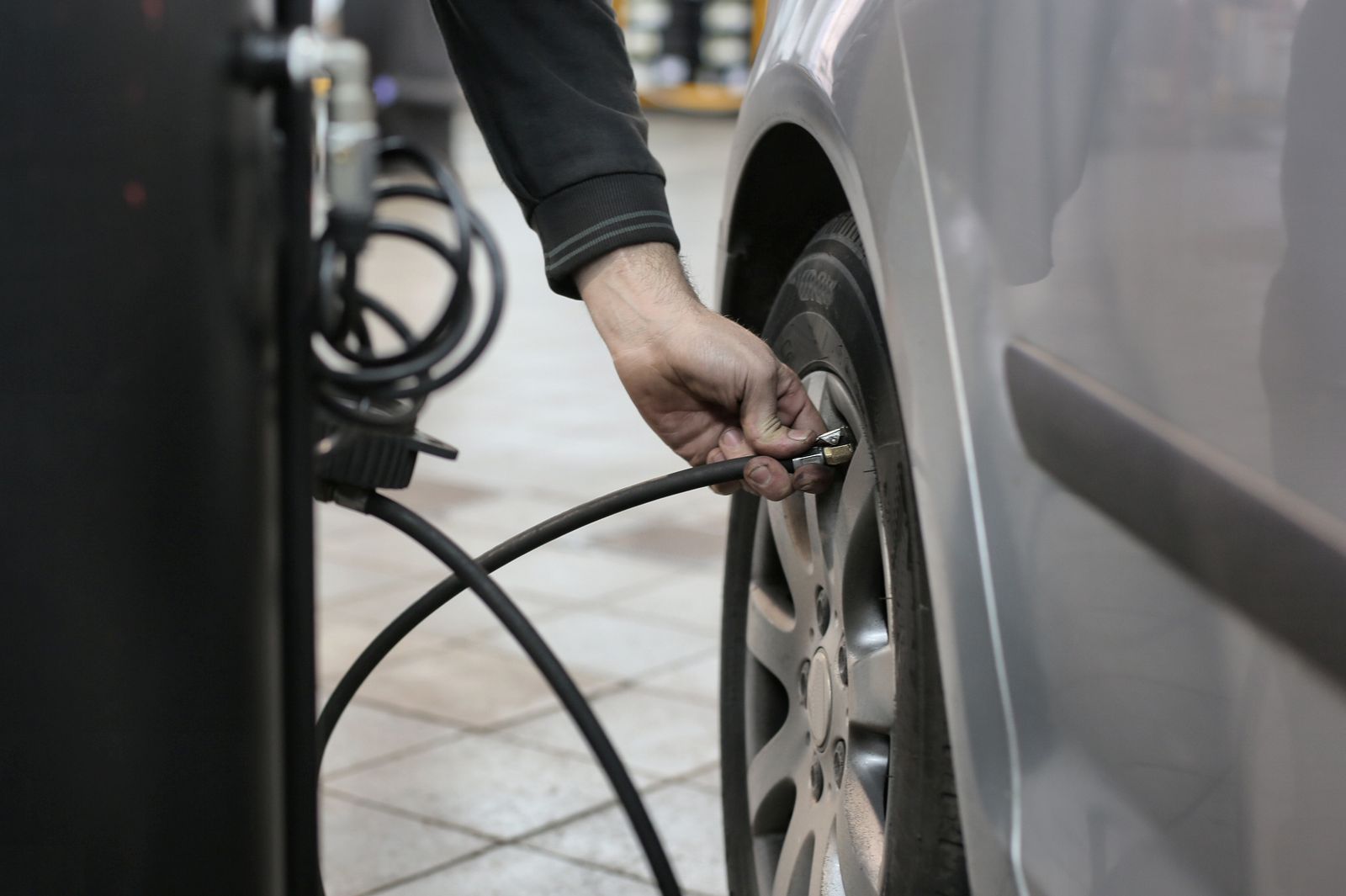
- PSI range and inflation speed: Passenger car tires run 30-35 PSI, but a dedicated inflator rated to 120-160 PSI has the headroom for truck tires, trailer tires, and sports equipment. Faster CFM (cubic feet per minute) ratings mean less time standing at a cold curb.
- Portability: A glovebox-sized pack is easy to actually keep in the car; a bulkier compressor with more CFM is worth the extra size if you’re regularly airing up larger tires.
Always follow the manufacturer’s instructions and your vehicle owner’s manual when jump-starting or inflating tires — clamp order, engine size limits, and PSI ratings vary by device and by car, and no jump starter or inflator is a substitute for reading the guidance that comes with your specific vehicle.
Standalone Jump Starters
These three units are built purely to restart a dead battery — no built-in air compressor — which generally means more cranking amps and a more compact housing for the price.
1. NOCO Boost X GBX155 — Best Overall
Price: ~$299.95 | Peak amps: 4,250A | Coverage: gas engines up to 10.0L, diesel up to 8.0L
NOCO’s Boost X line built its reputation on the UltraSafe clamp system, and the GBX155 is the brand’s highest-capacity model in this lineup. It’s rated for nearly anything short of heavy commercial equipment — full-size pickups, vans, and most diesel engines included — and it doubles as a USB-C power bank when you’re not jump-starting anything.
- Pros: Massive amp headroom for big trucks and diesels; IP68 water- and dust-resistant housing; UltraSafe clamps flag a bad connection before current flows.
- Cons: The most expensive pack in this roundup; heavier than the pocket-sized units; no air compressor built in.
2. HULKMAN Alpha85S — Best Budget Pick
Price: ~$129.99 | Peak amps: 2,000A (74Wh) | Coverage: gas up to 8.5L, diesel up to 6.0L
The Alpha85S is built around what HULKMAN calls “-40°F Start Tech,” a cold-weather-tuned lithium cell chemistry meant to hold cranking power in freezing temperatures better than a generic lithium pack. A 3.3-inch LED display shows battery voltage and charge state at a glance.
- Pros: Cold-weather-focused cell design; helpful diagnostic display; solid mid-range price for the coverage it offers.
- Cons: 2,000A peak amps is on the lower end for large V8 trucks; no air compressor.
3. AVAPOW A68 — Best for Trucks, SUVs & Diesels
Price: ~$139.99 | Peak amps: 6,000A | Coverage: all gas engines, diesel up to 12.0L
The A68 packs the highest peak-amp rating in this guide into a price well under NOCO’s flagship, which makes it the value pick for owners of big diesel trucks, tow rigs, or fleet vehicles. It includes eight-layer protection circuitry, dual USB-A quick-charge ports, and a built-in LED work light.
- Pros: Highest peak-amp rating here for the money; dual quick-charge USB output doubles as a power bank; bright LED light for roadside visibility.
- Cons: Bulkier than the HULKMAN; clamp cables run shorter than NOCO’s; no air compressor.
2-in-1 Combo Units (Jump Starter + Tire Inflator)
If trunk space is tight, a combo unit trades some peak-amp headroom and some inflation speed for the convenience of carrying one device instead of two.
4. GOOLOO A3 — Best 2-in-1 Combo (Budget)
Price: ~$69.99 (frequently on sale closer to $66) | Peak amps: 3,000A | Inflator: 150 PSI, auto shutoff | Coverage: gas up to 9.0L, diesel up to 6.5L
The A3 is a genuinely dual-purpose device rather than a jump starter with an afterthought pump bolted on: it has its own digital PSI readout and shuts the compressor off automatically once you hit a set target, so you’re not standing over it watching a gauge. GOOLOO lists ten separate protection scenarios, including reverse-connection and overcharge protection.
- Pros: True 2-in-1 at a genuinely low price; auto-shutoff inflator prevents overinflation; compact enough for a glovebox.
- Cons: The built-in inflator is slower than a dedicated compressor like the VIAIR or DEWALT; jump-starter amps are lower than the truck-focused standalone packs.
5. WOLFBOX MV16 Air — Best 2-in-1 Combo (Mid-Range)
Price: ~$109.99 | Peak amps: 3,000A | Inflator: built-in, PSI-adjustable
The MV16 Air matches the GOOLOO A3’s peak-amp rating but with a sturdier-feeling housing and a ten-layer protection system covering reverse polarity and overcharge. It’s a reasonable step up if you want a combo unit but plan to use the inflator side more often.
- Pros: Combo convenience with more polished build quality than the budget option; comfortable amp rating for mid-size trucks and SUVs.
- Cons: Costs more than the GOOLOO A3 for a similar peak-amp rating; the inflator is still a secondary feature, not a dedicated compressor.
Standalone Tire Inflators (No Jump-Start Function)
Dropping the jump-start circuitry entirely lets these two devices focus purely on air delivery — useful if you already own a jump starter, or if you’d rather keep the two tools separate.
6. VIAIR 88P — Best Standalone Tire Inflator
Price: ~$89.99 | Max PSI: 120 | Flow rate: 1.47 CFM | Rated for: tires up to 33 inches
VIAIR built its name in the off-road and towing world, and the 88P is the brand’s compact, every-vehicle-carry compressor — it plugs into a 12V outlet rather than running off its own battery, which keeps the unit itself light. It’s noticeably faster than the built-in pumps on the combo units above.
- Pros: Faster, more consistent airflow than combo-unit pumps; trusted brand with a wide accessory ecosystem; rated for larger truck and SUV tires up to 33 inches.
- Cons: No jump-start capability at all; needs a running 12V outlet rather than an internal battery; bulkier than the pocket cordless models.
7. DEWALT 20V MAX Tire Inflator — Best for Cordless Tool Owners
Price: ~$99 bare tool (around $149 in a kit with battery and charger) | Max PSI: 160
If you already own DEWALT 20V MAX batteries for other tools, this inflator is effectively cheaper than it looks, since the bare-tool price skips the battery. Its 160 PSI ceiling is the highest of any device in this guide, with enough headroom for trailer and truck tires, and it runs cordless rather than tethering to a 12V outlet.
- Pros: Highest PSI ceiling here at 160; genuinely cordless, no outlet needed; digital display with auto shutoff at a set PSI.
- Cons: Bare tool doesn’t include a battery or charger; no jump-start function; only worth it if you’re already in — or willing to buy into — the DEWALT ecosystem.
Original Table: Cost per 1,000 Peak Amps
Peak-amp ratings alone don’t tell you which jump starter is the better value — a $300 unit with huge amp headroom can cost more per amp than a $70 combo. We divided each unit’s approximate street price by its peak-amp rating to get a genuinely original cost-per-1,000-amp figure you won’t find on any manufacturer’s spec sheet.
| Model | Price | Peak Amps | Cost per 1,000 Peak Amps |
|---|---|---|---|
| AVAPOW A68 | ~$139.99 | 6,000A | ~$23.33 |
| GOOLOO A3 (combo) | ~$69.99 | 3,000A | ~$23.33 |
| WOLFBOX MV16 Air (combo) | ~$109.99 | 3,000A | ~$36.66 |
| HULKMAN Alpha85S | ~$129.99 | 2,000A | ~$65.00 |
| NOCO Boost X GBX155 | ~$299.95 | 4,250A | ~$70.58 |
Read this table with context, not as a straight ranking: the AVAPOW and GOOLOO deliver the most peak amps per dollar, but NOCO’s GBX155 and HULKMAN’s Alpha85S charge a premium for things this table doesn’t capture — IP68 sealing, UltraSafe clamp engineering, and cold-weather-tuned cell chemistry, respectively. A lower cost-per-amp figure isn’t automatically the better buy for your situation.
Inflator Speed & Pressure Comparison
| Model | Max PSI | Type | Best for |
|---|---|---|---|
| GOOLOO A3 (combo) | 150 PSI | Built-in, auto shutoff | Passenger car and light SUV tires |
| WOLFBOX MV16 Air (combo) | PSI-adjustable | Built-in | Passenger car and light SUV tires |
| VIAIR 88P | 120 PSI | Dedicated, 12V-outlet powered | Trucks and SUV tires up to 33″ |
| DEWALT 20V MAX Inflator | 160 PSI | Dedicated, cordless (20V battery) | Trailer and truck tires, no outlet needed |
Storage, Charging, and Trunk Placement Tips
A jump starter or inflator only helps if it’s actually charged and reachable when you need it, which sounds obvious until you remember the unit’s been buried under a snow shovel and a bag of ice melt since October. A few habits make a real difference:
- Charge before the cold hits. Lithium cells lose some usable capacity in freezing temperatures, so top off any jump starter or cordless inflator battery at the start of the season rather than assuming last spring’s charge is still good.
- Keep it in the cabin when you can, not the trunk. Extreme cold reduces a lithium pack’s output the same way it weakens your car battery. A back seat or under-seat spot keeps the unit closer to cabin temperature than an unheated trunk.
- Check the charge monthly. Most of the jump starters here include an LED or digital display specifically so you can glance at charge state without plugging anything in — build a habit of checking it whenever you fill up on gas.
- Store clamps and hoses coiled, not crimped. A kinked clamp cable or inflator hose is the most common reason these tools fail right when you need them; a soft storage pouch (most ship with one) keeps cables from getting pinched under other trunk gear.
If you’re stocking a full winter kit rather than just one device, a jump starter and inflator pair well with the other basics — a warm blanket, a flashlight, and a way to keep the battery itself from dying between drives in the first place.
How We Researched This Guide
We compiled this roundup from manufacturer spec sheets, retailer listings, and verified owner feedback and reliability patterns across multiple retail platforms, cross-checking peak-amp, PSI, and engine-coverage claims against each brand’s official product pages rather than relying on a single source. We did not physically test these units ourselves; our comparisons reflect published specifications, expert consensus across independent review outlets, and patterns in verified owner feedback. For more on how we vet products and sources, see our editorial standards. Prices are approximate, current as of publication, and change frequently — confirm the latest price with the retailer before buying.
Published: August 9, 2026 | Last updated: August 9, 2026
Frequently Asked Questions
What size jump starter do I need for my car, truck, or SUV?
Match peak amps to your engine, not your vehicle type: compact and mid-size gas engines are typically fine with 1,000-3,000A, while full-size trucks, vans, and diesel engines are safer bets at 4,000A or higher. Always check the manufacturer’s published gas- and diesel-liter coverage rather than guessing from vehicle size alone.
Are portable jump starters safe to use, or can they damage my car’s electronics?
Every unit in this guide includes reverse-polarity protection and spark-proof clamp technology designed to prevent damage from an incorrect connection, but no device removes the need to follow the manufacturer’s instructions and your vehicle owner’s manual for clamp order and use.
How much PSI do I need in a portable tire inflator?
Most passenger cars run 30-35 PSI, so an inflator that reaches at least 120 PSI has comfortable headroom; if you also air up truck, trailer, or off-road tires, look for a 150-160 PSI ceiling like the GOOLOO A3, VIAIR 88P, or DEWALT 20V MAX inflator.
Can one device really jump-start a car and inflate a tire?
Yes — combo units like the GOOLOO A3 and WOLFBOX MV16 Air genuinely do both, though their built-in inflators are generally slower than a dedicated compressor like the VIAIR 88P, since combo units balance both functions in one smaller housing.
How long do lithium jump starters hold a charge in storage?
Lithium jump starters generally hold a usable charge for months in storage thanks to low self-discharge rates, but manufacturers still recommend periodically checking and topping off the charge — follow the specific interval listed in your unit’s manual, since it varies by battery capacity and model.
Rounding Out Your Cold-Weather Car Kit
A jump starter and inflator cover the two most common roadside failures, but they’re part of a bigger picture — if your car sits parked for days at a time in cold weather, pairing one with a trickle charger or battery maintainer keeps the battery from draining in the first place. And if winter prep has you thinking about longer drives, our breakdown of portable car coolers and 12V fridges for road trips covers the other side of being ready for time on the road. For more gear like this, browse our full Tools & Automotive coverage.