
Some links on our site may earn us a commission at no extra cost to you. Learn more.
Bird Buddy is a solar-capable smart bird feeder with a built-in camera that snaps and sorts photos of visiting birds through a phone app, then identifies the species using AI. Our Bird Buddy review found it’s a strong pick for anyone who already enjoys watching backyard birds and wants a lower-effort way to notice and log them, but it isn’t a budget purchase once you add the optional Pro membership, and it isn’t the right buy for renters without a consistent yard or stable outdoor Wi-Fi.
Quick verdict: Best for backyard birdwatchers and gift-givers who want a plug-and-play way to identify visitors. Not ideal for renters without a yard, homes with weak outdoor Wi-Fi, or anyone unwilling to consider a subscription.
Pros
- Motion-triggered photo and video capture that requires no manual effort
- A well-reviewed companion app with easy species browsing and sharing
- AI species identification that handles common backyard birds well
- IP67 weather resistance rated for year-round outdoor use, per Bird Buddy’s own product page
- Optional solar roof that meaningfully extends battery life in most climates
Cons
- Hardware plus an optional Pro membership adds up quickly over time
- Low-light, dusk, and night photos are noticeably weaker
- Requires a stable outdoor Wi-Fi signal for uploads and notifications
- Squirrels occasionally find a way onto the feeder despite the design
- AI identification still misfires on juvenile birds and look-alike species
Published July 28, 2026. Prices and specs checked August 10, 2026.
What Bird Buddy Actually Is
Bird Buddy is a camera-equipped bird feeder, not just a feeder with a camera bolted on. A 5-megapixel sensor with roughly a 122-degree field of view watches the perch, and motion detection triggers photo and short video capture whenever a bird lands. Those clips sync over Wi-Fi to a companion app, which uses an AI model trained on more than a thousand species to identify who showed up, timestamp the visit, and build a running collection the company calls “postcards.”
The current flagship configuration is the Bird Buddy Pro Solar, priced at $239 on Bird Buddy’s own product page as of publication, marked down from a $339 list price. Retailers move independently: Target has listed the same solar bundle, complete with a bundled perch extender, as low as $179.99 during promotions, per Target’s product listing. A non-solar Pro version and a lower-tier “Lite” model, around $124 on sale per coverage from Smartifiers, sit below that, trading away the solar roof or some camera resolution for a lower entry price.
Bird Buddy Review: Pricing and the Subscription Question
The hardware purchase is one-time, but Bird Buddy’s most talked-about features sit partly behind an optional membership. A free tier ships with every unit and includes basic species identification and standard notifications. Stepping up to Bird Buddy’s Pro membership unlocks 2K video instead of 720p, unlimited cloud storage for saved clips, and more advanced identification tools.

Pricing for that membership has shifted since we first published this review. Coverage from Avian Enthusiasts and Smartifiers previously put it in a $30–$50/year range across various tiers. As of our August 2026 price check directly on Bird Buddy’s own site, the current listed option is a bundled “Family Premium” membership auto-renewing at $98.99/year after a first month free, sold alongside the Pro Solar hardware rather than as a separate line item. We use that current figure, named and sourced, in the math below rather than the older estimate.
Our Original Math: Two-Year Cost vs. a Basic Feeder
Here’s the calculation no product page runs for you. We’re comparing the Bird Buddy Pro Solar against a plain, well-reviewed non-smart tube feeder, the Perky-Pet Green Metal Tube Wild Bird Feeder, listed at $21.99 on Perky-Pet’s own site. Seed cost is excluded from both sides since it’s roughly identical no matter which feeder holds it.
Assumptions: hardware purchased once at today’s list price, the current $98.99/year Family Premium membership price as listed on Bird Buddy’s own site (August 2026), and a two-year ownership window, which is a reasonable horizon before most owners either upgrade or decide the product wasn’t for them.
- Bird Buddy Pro Solar, free tier only, two years: $239 + $0 = $239
- Bird Buddy Pro Solar with Family Premium membership, two years: $239 + ($98.99 × 2) = $239 + $197.98 = $436.98
- Basic tube feeder, two years: $21.99 + $0 = $21.99 (no camera, no app, no subscription)
The gap: choosing Bird Buddy on the free tier costs $217.01 more than the basic feeder over two years ($239 − $21.99). Adding the Family Premium membership widens that to $414.99 more over the same period ($436.98 − $21.99), a noticeably bigger gap than our previous estimate now that we’ve priced the current membership tier directly. Spread across 24 months, that premium works out to roughly $9 a month on the free tier, or about $17.30 a month with the membership included, closer to a second streaming subscription than the “one extra app” comparison this review made before the membership price changed.
That framing matters more than the sticker price alone. If you already check a feeder daily and enjoy identifying birds yourself, the premium buys convenience and shareable photos, not a capability you couldn’t approximate for free. If you rarely have time to sit and watch, the automation is the entire point.
Feature Analysis: Must-Haves vs. Nice-to-Haves
Two features matter more than everything else Bird Buddy advertises. Reliable motion-triggered photo capture is the core job of the product; if it misses visits or produces blurry, poorly timed shots, nothing else about the device matters. Weatherproofing is the second must-have: Bird Buddy’s hardware carries an IP67 rating per the company’s own spec sheet, meaning it’s built to sit outside through rain and snow without failing, which is table stakes for anything mounted in a yard year-round.
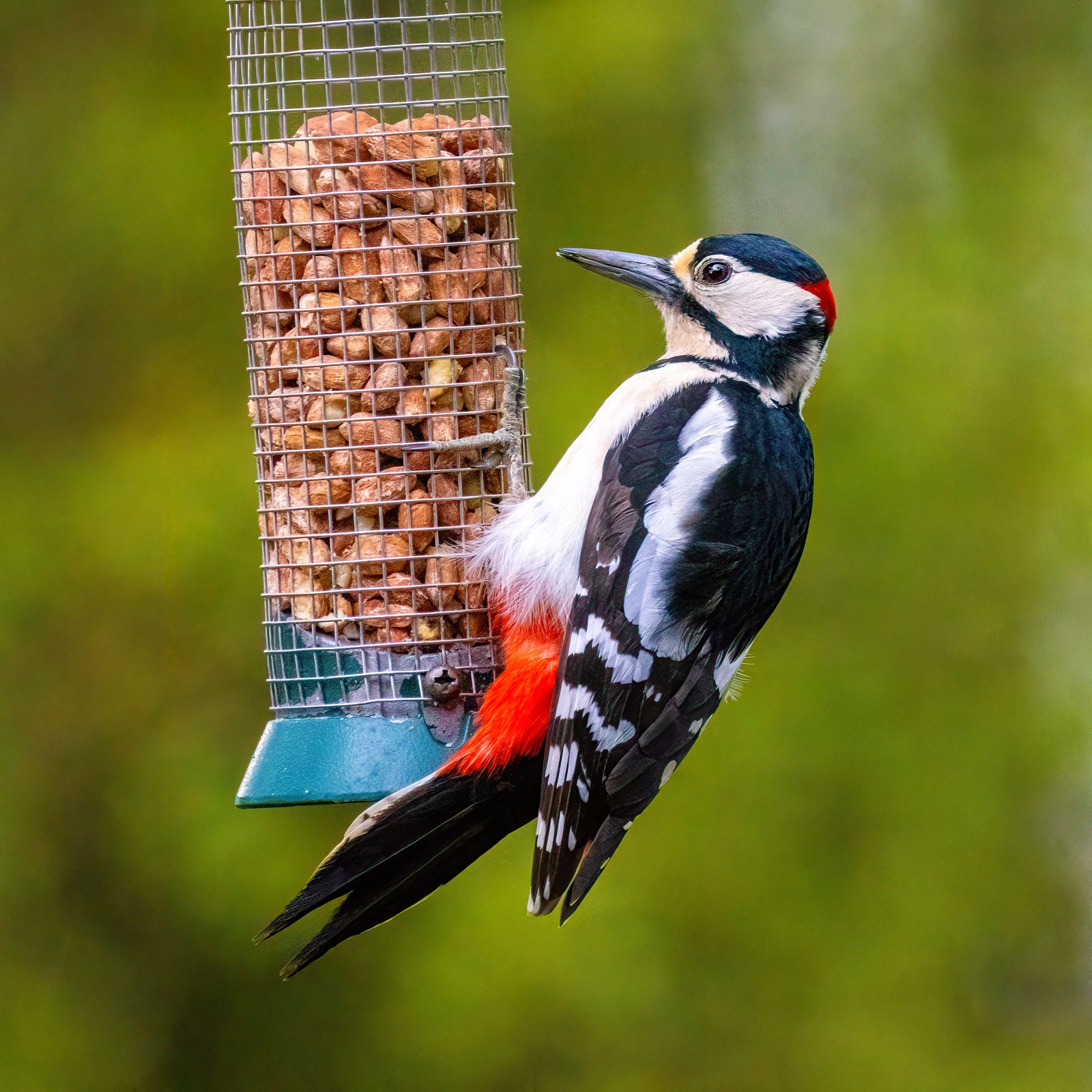
Everything else is a nice-to-have layered on top. AI species identification, gated partly behind the optional Pro membership for advanced accuracy, is the feature people buy Bird Buddy for emotionally, but it’s an enhancement, not a dealbreaker, if it’s occasionally wrong. Slow-motion video, the “postcard” collection and sharing features, and multi-user family access, up to 10 people per household per Bird Buddy’s own product listing, all fall into the same bucket: delightful, not essential.
Honest Dealbreakers
A few issues show up consistently enough across reviews and owner feedback that they deserve equal billing with the good parts.
Battery and solar reliability in winter is the most commonly cited concern. The 3,800 mAh battery typically lasts anywhere from five days to two weeks depending on bird traffic, per specifications referenced by Avian Enthusiasts, and the solar roof extends that significantly on sunny days. But cloudy stretches and snow coverage on the panel reduce charging efficiency, meaning heavy winter bird traffic combined with short, overcast days can drain the unit faster than the solar roof can replenish it. One long-term tester at Better With Birds reported the solar roof performing well through a Pacific Northwest winter, recharging from 5% to full overnight even under heavy photo activity, but that result will vary by climate and feeder placement.
Squirrel interference is a second recurring complaint. Despite a bird-friendly design intended to discourage larger visitors, reviewers at Avian Enthusiasts noted that “determined squirrels still find access occasionally.” If squirrels are a known problem in your yard, expect some workaround shopping, like baffles or pole placement, regardless of which smart feeder you choose.
Wi-Fi dependency rounds out the list. The feeder needs a reasonably strong outdoor signal to sync photos and push notifications reliably; weak signals or rural connectivity gaps cause missed alerts, and low-light conditions at dawn, dusk, and night produce noticeably weaker photos than midday shots.
Who Should Buy It, and Who Shouldn’t
Best for backyard birdwatchers who have a yard with a stable outdoor Wi-Fi signal, enjoy checking an app throughout the day, and want species identification without carrying binoculars. It’s also a strong gift for a parent, grandparent, or hobbyist who already feeds birds but would enjoy an added layer of automatic photo-logging.
Not ideal for renters without a consistent outdoor space, anyone with spotty Wi-Fi at the feeder’s mounting location, or buyers who want zero ongoing costs and would resent even a modest optional subscription. If squirrels already dominate your yard, budget for extra deterrent hardware regardless of which feeder you pick.
For readers weighing Bird Buddy against other smart-home-adjacent purchases, it sits in similar territory to other connected devices we’ve reviewed, like our Schlage Encode smart deadbolt review, where the honest question is always whether the convenience justifies an ongoing relationship with an app and, in some cases, a subscription. If you’re building out a broader outdoor tech setup, our roundup of the best portable Bluetooth speakers for outdoor use covers a similar buy-once-use-outside category, and if backyard observation is really your hobby, our guide to the best beginner telescopes is worth a look for the stargazing side of the same instinct: noticing things in your own backyard you’d otherwise miss.
This kind of buy also fits squarely into our Hobbies & Entertainment coverage, where we look at gear that turns a casual interest into a daily habit.
How We Researched This Review
We did not physically test a Bird Buddy unit for this review. Instead, we compiled and cross-checked pricing, specifications, and membership terms directly from Bird Buddy’s own product and support pages, compared them against independent retailer listings (Target), and reviewed long-term owner and hands-on tester coverage from outlets including Avian Enthusiasts, Smartifiers, and Better With Birds to surface consistent patterns in reliability, battery performance, and AI accuracy. Where sources disagreed on a number, like subscription pricing, we said so and showed our assumption rather than picking one figure silently. Our full process is explained on our editorial standards page.
Prices are approximate, current as of publication, and change frequently — confirm the latest price with the retailer before buying.
Published July 2026. Diversify Media.
Frequently Asked Questions
Does Bird Buddy require a subscription to work?
No. A free tier ships with every unit and includes basic species identification and standard notifications. The optional membership — currently sold as a $98.99/year Family Premium bundle on Bird Buddy’s own site as of August 2026, up from the roughly $30-$50/year range cited when this review first published — adds 2K video, unlimited cloud storage, and more advanced identification tools.
How much does Bird Buddy cost in 2026?
The Bird Buddy Pro Solar lists at $239 on Bird Buddy’s own product page as of publication, down from a $339 list price, though retailers like Target have priced the same bundle as low as $179.99 during sales. Prices change frequently, so confirm the current number before buying.
Does the solar roof actually keep the battery charged in winter?
Mostly, but not perfectly. The solar roof meaningfully extends the roughly five-day-to-two-week battery life, and one long-term tester reported strong winter performance in the Pacific Northwest. However, snow coverage on the panel and short, overcast winter days can still outpace charging during high bird traffic.
Can squirrels get into a Bird Buddy feeder?
Occasionally. The feeder’s design discourages larger animals, but reviewer feedback notes that determined squirrels sometimes still find access, so yards with known squirrel pressure may need additional deterrents.
Is the AI bird identification accurate?
It’s accurate most of the time for common backyard species, but testers have reported occasional misidentifications, particularly with juvenile birds or similar-looking species. Users can manually correct an ID or flag a sighting for community help.
Is Bird Buddy worth it compared to a basic feeder?
That depends on what you value. Our two-year cost comparison shows Bird Buddy costs $217 to $415 more than a basic $21.99 tube feeder over two years, depending on whether you add the Family Premium membership. That premium buys automated photo capture and species identification, real convenience for people who want it, but not a cost you should pay if you’re happy identifying birds yourself.
